
Insights & Inspirations
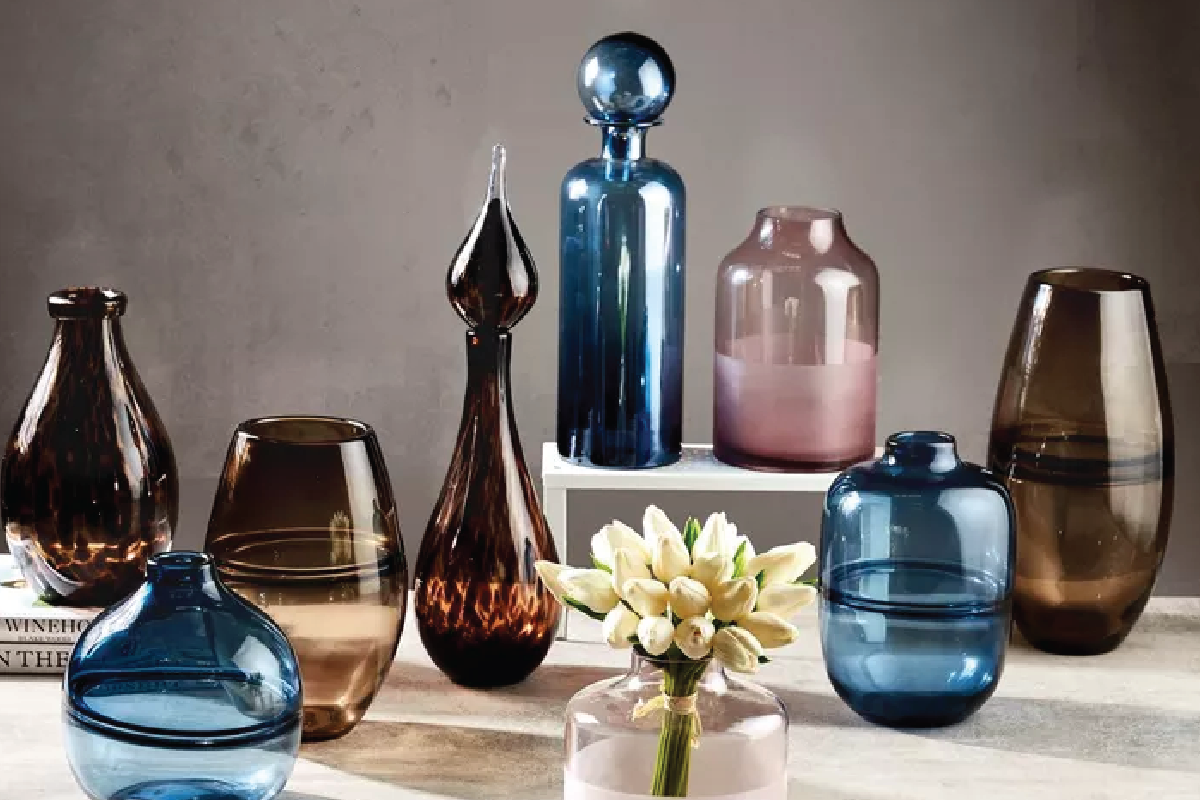
How Different Minerals and Metals Create Colors in Glass?
Glass has played a significant role in India’s history and culture, dating back thousands of years. Artifacts from ancient civilizations like the Indus Valley have shown that Indians used glass beads and decorative items, which evolved over time into exquisite colored glass found in temples and palaces. Today, India’s tradition of vibrant, colored glass continues to inspire artisans, especially in states like Rajasthan, where Jaipur’s glasswork and stained glass have become iconic. The secret to these colors lies in the minerals and metals added to the glass during production, each producing a unique hue with its own visual and cultural significance.

The Science Behind Coloring Glass
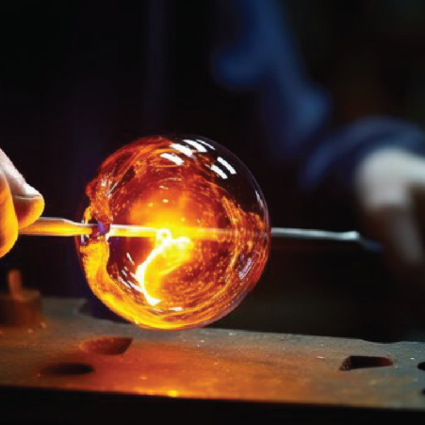
Glass is formed by heating a mixture of silica (sand), soda ash, and lime until it melts into a transparent substance. To add color, metal oxides and various minerals are incorporated into the molten glass, altering the wavelengths of light it absorbs and reflects, creating vibrant colors. The final shade depends on factors like the type of additive, the temperature, and even the furnace atmosphere.
Common Elements and Minerals Used to Color Glass
- Cobalt Oxide – Blue Glass Cobalt oxide has been used for centuries to create an intense blue color in glass. Even a small amount produces a deep, striking blue, making it popular for decorative glassware and traditional art. Known as “Rajasthani blue,” cobalt blue glass has become associated with certain Indian glassworks, where it adds a royal elegance to vases, ornaments, and stained glass windows.
- Copper Compounds – Turquoise and Emerald Green Copper is a versatile mineral in glassmaking, capable of producing shades ranging from turquoise to emerald green, depending on the form and conditions. Adding copper oxide often creates a tranquil turquoise shade, while variations in temperature and furnace atmosphere can yield deeper greens, reminiscent of lush Indian landscapes. Copper-tinted glass is commonly found in architectural glasswork and traditional Indian crafts.
- Iron Oxide – Green and Brown Hues Iron is naturally present in sand, the primary raw material for glass. Small amounts of iron oxide can give glass a subtle green tint, while higher concentrations or certain oxidation conditions produce a darker green or brown color. Known for durability, this glass is often used in storage bottles, such as those for Ayurvedic oils and medicines, as it provides natural UV protection, preserving the contents within.
- Chromium Oxide – Rich Green Shades Chromium is another mineral that produces green shades in glass. Chromium oxide adds a richer, more vibrant green compared to iron, making it ideal for stained glass art and decorative items in India. In regions like Gujarat, where decorative glass art flourishes, chromium-colored glass is a popular choice for creating pieces that reflect the vibrant greens of local landscapes and flora.
- Gold Chloride – Ruby Red Glass Gold is an expensive but effective metal used to create ruby red glass, a color historically associated with wealth and opulence. Gold chloride in glass forms a beautiful red hue, achieved by suspending tiny gold particles within the material. This technique is used sparingly due to its cost, but when used, it produces a luxurious effect that adds a unique richness to glassware and traditional Indian art, particularly in temple and palace decorations.
- Selenium – Pink to Red Glass Selenium can also produce red and pink hues in glass, making it a more affordable alternative to gold. When combined with metals like cadmium, selenium can create delicate pinks or more intense reds, adding warmth to glass. This coloring agent is often used in decorative glass items and handicrafts found in markets across India, where pink hues resonate with the country’s traditional color palette.
- Manganese Dioxide – Purple and Amethyst Glass Manganese dioxide, sometimes called the “glassmaker’s soap,” removes greenish tints caused by iron impurities. In higher amounts, it creates a distinct purple or amethyst color. In India, amethyst glass is often used in temples and shrines, where the color’s spiritual association with wisdom and enlightenment makes it a meaningful choice in religious contexts.
- Nickel Compounds – Gray, Brown, and Purple Nickel compounds add versatility to glass coloration, capable of producing colors ranging from gray and brown to purple. Small amounts create a smoky gray tone suitable for tinted windows and architectural uses. When used in higher concentrations, nickel produces a deep purple, adding a dramatic element to glass items. In Indian art, where earth tones are often embraced, nickel-based glass colors align well with traditional aesthetic values.
- Titanium – Opaque White or Yellow Glass Titanium dioxide is used to create opaque, milky glass known as opal glass. This type of glass has been popular in India for items such as lanterns, lampshades, and decorative fixtures, as it diffuses light beautifully, creating a soft glow. In addition to white, titanium can produce a yellow hue that complements warm interior designs, bringing a unique character to glassware.
- Silver Compounds – Yellow and Amber Glass Silver is best known for producing yellow and amber colors in glass. When silver nitrate is added to glass, it yields a soft yellow to deep amber, with the hue intensity varying based on concentration and kiln conditions. This color is particularly appreciated in India for use in temples, where the amber glow complements natural lighting, creating a warm and inviting atmosphere.
The Cultural and Practical Significance of Colored Glass in India
In India, colored glass isn’t just about aesthetics; it has practical and symbolic significance as well. For instance, green and brown glass are used to store Ayurvedic medicines and oils, as these colors provide UV protection that helps preserve natural ingredients. In temples and shrines, colored glass has spiritual connotations, with hues like red symbolizing vitality, green representing life, and purple evoking wisdom. Decorative colored glass is also a staple in traditional Indian festivals, where lanterns and lamps cast a spectrum of colors, adding vibrancy to celebrations.
Colored glass also plays a role in Indian architecture, particularly in the ornate windows of palaces, havelis (traditional Indian mansions), and temples. Stained glass windows, often adorned with rich reds, blues, and greens, allow sunlight to filter through, casting beautiful patterns that shift with the time of day. This interplay of light and color embodies the spiritual aspect of Indian culture, where light symbolizes divinity and the vibrancy of life.
Conclusion
The art of coloring glass in India brings together chemistry, craftsmanship, and culture. By adding different metals and minerals to molten glass, artisans can create a stunning range of colors, each with its practical uses and cultural symbolism. Whether it’s the deep blues of cobalt, the lush greens of copper, or the warm yellows of silver, each hue tells a story of India’s rich heritage and its enduring appreciation for color. Through glass, the science of minerals and metals becomes a timeless expression of beauty and tradition.
About Seven Tigers
Seven Tigers, with over 70 years of expertise in glass manufacturing, is a premier provider of exclusive, handcrafted glassware known for its top-notch quality and artistry. Headquartered in India, we serve global markets with dedicated offices in Dubai, catering to the UAE, GCC, and European regions, and in Toronto, reaching the USA and Canada.
Our commitment to quality craftsmanship and sustainable practices sets us apart in the industry. Each piece from Seven Tigers is meticulously crafted by skilled artisans, ensuring an unmatched blend of elegance, durability, and functionality. Driven by a passion for innovation, we continually refine our designs and production techniques to deliver timeless pieces that transform spaces and resonate with discerning clients worldwide.
With a strong foundation in quality, craftsmanship, and customer service, Seven Tigers is dedicated to enriching spaces across the globe.